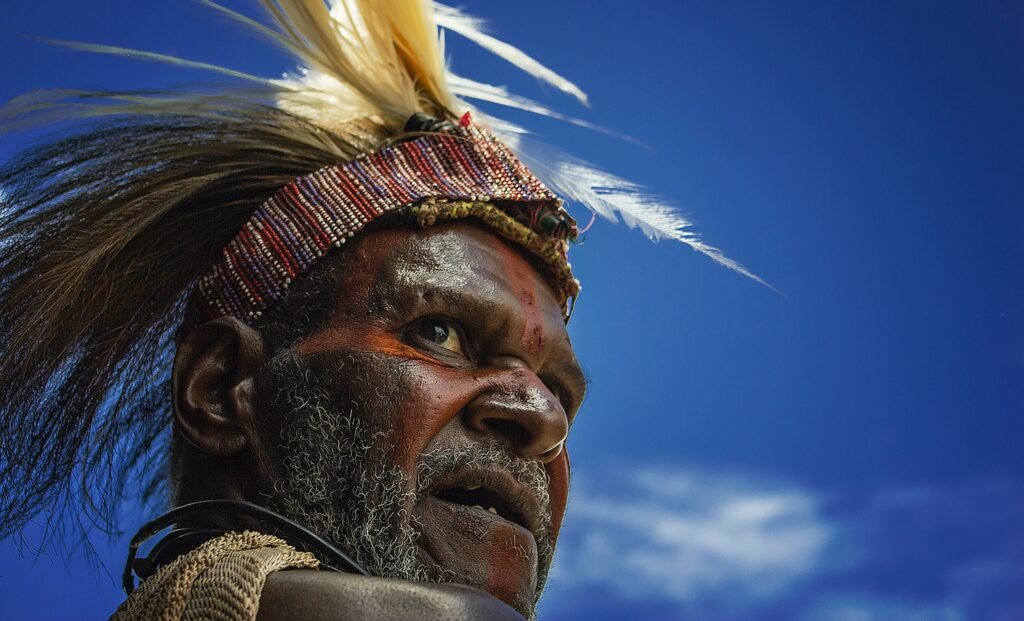
Tribal health in India continues to face deep-rooted challenges, shaped by what public health experts describe as a “triple burden of disease”—the simultaneous presence of communicable diseases, widespread malnutrition, and a rising tide of non-communicable diseases. This complex health landscape is further aggravated by high levels of substance abuse, poor healthcare access, and long-standing social and geographical barriers.
Despite policy attention and gradual improvements in recent years, tribal communities across India still experience significantly poorer health outcomes compared to the general population, including higher infant and maternal mortality rates.
A Heavy Disease Burden
Communicable diseases remain a major cause of illness and death in tribal regions. Malaria alone accounts for nearly 50 percent of India’s malaria-related deaths, disproportionately affecting tribal populations living in forested and remote areas. Tuberculosis prevalence is also higher, compounded by underdiagnosis and interrupted treatment. Genetic conditions such as sickle cell anemia are widespread in several tribal belts, creating an additional chronic health burden.
Alongside infectious diseases, malnutrition and anaemia persist at alarming levels. Tribal children are nearly 1.5 times more likely to be underweight compared to children from other social groups. Poor dietary diversity, food insecurity, and limited maternal nutrition continue to affect child growth and development.
Rising Non-Communicable Diseases and Addiction
In recent years, non-communicable diseases (NCDs) such as hypertension and diabetes have emerged as silent threats. Around 25 percent of tribal adults are estimated to have high blood pressure, often remaining undiagnosed due to lack of routine screening.
Substance abuse further complicates the health scenario. Studies indicate that over 72 percent of tribal men aged 15–54 use tobacco, while nearly half consume alcohol regularly. These behaviors significantly increase the risk of cardiovascular disease, cancer, liver disorders, and mental health problems.
Barriers to Healthcare Access
Limited access to quality healthcare remains one of the most pressing challenges. Less than 20 percent of tribal women deliver in institutional settings, raising the risk of maternal and neonatal complications. Many tribal areas suffer from a shortage of health facilities, trained personnel, essential medicines, and diagnostic services.
Geographical isolation, poor connectivity, and cultural barriers—including mistrust of formal health systems and language gaps—further restrict healthcare utilization. In many regions, even when facilities exist, quality of care remains inconsistent.
Government Initiatives and Community-Based Solutions
In response, the government has launched several targeted initiatives. The PM Janjatiya Unnat Gram Abhiyan (PM JUGA) aims to reach over five crore tribal people across 63,000 villages, focusing on health, nutrition, education, and livelihoods.
Primary healthcare access has expanded through Health and Wellness Centers, with more than 15,000 centers operational across 177 tribal-dominated districts as of 2023. These centers provide essential services such as screening for NCDs, maternal and child healthcare, and basic diagnostics.
Disease-specific programs focus on eliminating sickle cell anemia, reducing malaria mortality, and strengthening tuberculosis control. Nutritional interventions seek to address chronic undernutrition among women and children.
Community-based strategies remain central to these efforts. ASHAs deployed at the habitation level act as crucial links between communities and health systems. Institutions such as the National Center for Vector Borne Diseases Control (NCVBDC), ICMR-NIRTH, and the Ministry of Tribal Affairs have emphasized culturally sensitive care and the integration of traditional knowledge systems.
The Road Ahead
While initiatives have expanded coverage, experts stress that sustained investment, community trust, and locally adapted solutions are essential to closing health gaps. Strengthening infrastructure, improving quality of care, addressing addiction, and tackling social determinants of health will be key.
The Ministry of Tribal Affairs’ “Swasthya” portal offers a growing repository of data on tribal health and nutrition, underscoring the need for evidence-based policymaking.
India’s tribal health challenge is not just a medical issue—it is a matter of equity, dignity, and inclusive development. Addressing the triple burden requires long-term commitment to ensure that tribal communities are no longer left at the margins of the country’s healthcare system.