Jaipur, 29 January 2026 : Thyroid disorders are common in India, yet they often go undiagnosed for years because symptoms develop gradually and are easily mistaken for stress or lifestyle-related fatigue. The thyroid, though a small gland, plays a vital role in regulating metabolism, heart rate, energy levels, and body temperature. Early awareness and timely testing are key to preventing long-term health complications.
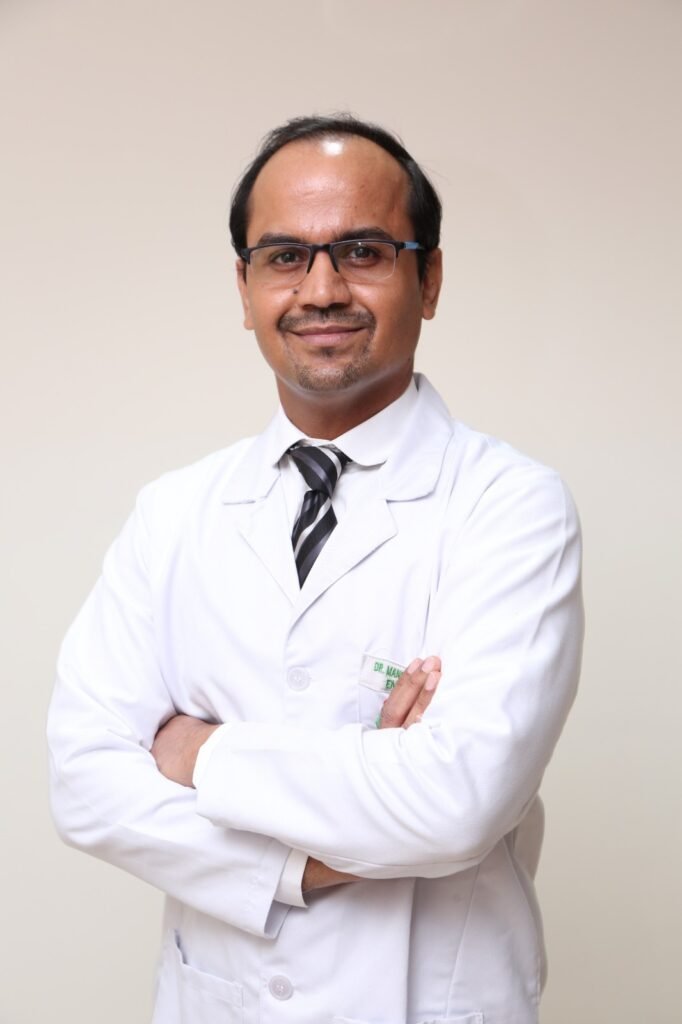
Dr Manoj Khandelwal, Consultant, Endocrinology, Fortis Escorts Hospital Jaipur , said: “According to the Indian Thyroid Society, nearly 42 million people in India are living with thyroid disorders, and women are affected far more often than men. In clinical practice, we frequently see many young adults who ignore early symptoms, assuming them to be work related stress or lifestyle fatigue.”
Common Types of Thyroid Disorders
• Hypothyroidism (underactive thyroid) – the most common form in India
• Hyperthyroidism (overactive thyroid)
• Thyroid nodules and goitre (thyroid gland enlargement)
Causes and Risk Factors:
• Immune system related thyroid damage
- Family history of thyroid disorders
• Diet related iodine imbalance - Hormonal shifts around pregnancy
- Long term medication or past radiation
- Higher risk among women and adults over 35 years of age
Common Signs and Symptoms:
- Persistent tiredness and low energy
• Unexplained Weight gain - Feeling cold more often
- Dry skin and increased hair fall
- Slower digestion or constipation
- Low mood and mental fog
The Need for Early Detection:
- Symptoms progress slowly and are easy to miss
- Delay in diagnosis can affect the heart and bones
- Thyroid imbalance during pregnancy can impact both mother and child
- Simple blood tests like TSH, T3 and T4 help detect the condition early
Prevention and Screening Recommendations:
• Adults over 35 years, women, pregnant women, and individuals with a family history of thyroid disorders should consider periodic thyroid screening
• Maintain a balanced diet with adequate iodine intake
• Manage stress and avoid self-medication or unsupervised use of supplements
Dr Khandelwal added, “The good news is that thyroid disorders are highly treatable. With early diagnosis, regular follow-up, and appropriate medication, most individuals can lead completely normal, healthy lives.”